 9.4
9.4
York Nordic
Ultralight rehab walking poles with stability grips
$125
Collapsible Pairs of Ultralight With flip locks For seniors
Supportive poles designed for physical therapy and improved mobility 13 poles · 1 brand
9.4
Collapsible Pairs of Ultralight With flip locks For seniors
 9.4
9.4
Collapsible Pairs of With flip locks For seniors
 9.4
9.4
Collapsible Aluminum Pairs of With flip locks For seniors
 9.4
9.4
Collapsible Pairs of Ultralight With flip locks For seniors Nordic walking poles
 9.4
9.4
Collapsible Aluminum Pairs of With flip locks For seniors
 9.4
9.4
Collapsible Pairs of Ultralight With flip locks For seniors
 9.4
9.4
Collapsible Aluminum Pairs of With flip locks For seniors
 9.4
9.4
Collapsible Pairs of Ultralight With flip locks For seniors Nordic walking poles
 9.2
9.2
Collapsible Pairs of Ultralight With flip locks For seniors Nordic walking poles
 9.2
9.2
Collapsible Pairs of Ultralight With flip locks For seniors Nordic walking poles
 9.2
9.2
Collapsible Aluminum Pairs of With flip locks For seniors
 9.2
9.2
Collapsible Pairs of With flip locks For seniors
 9.2
9.2
Collapsible Pairs of With flip locks For seniors
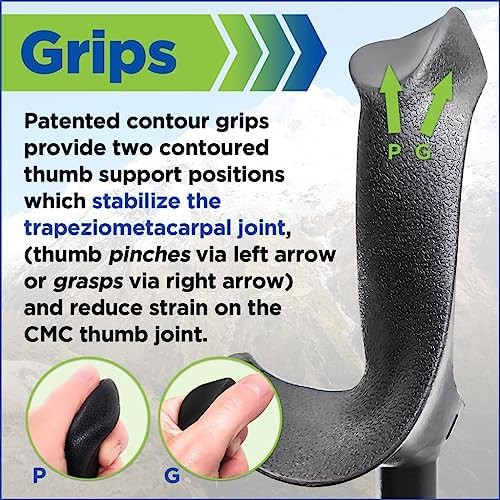
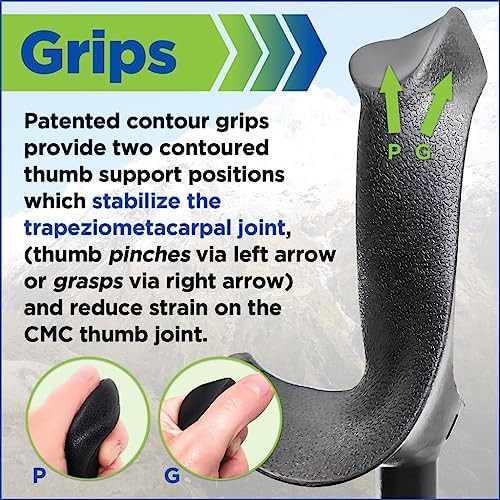
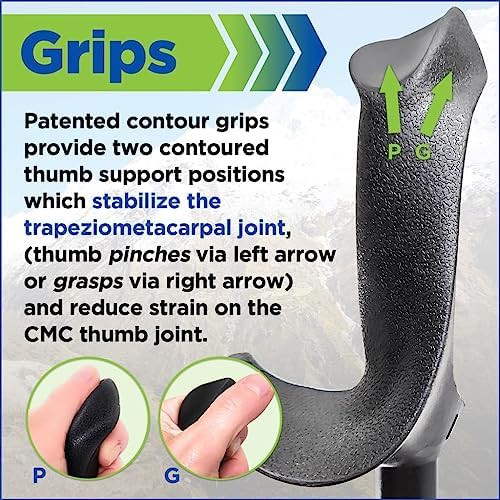
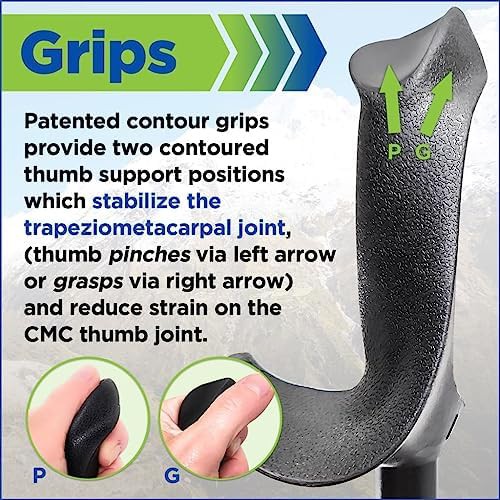
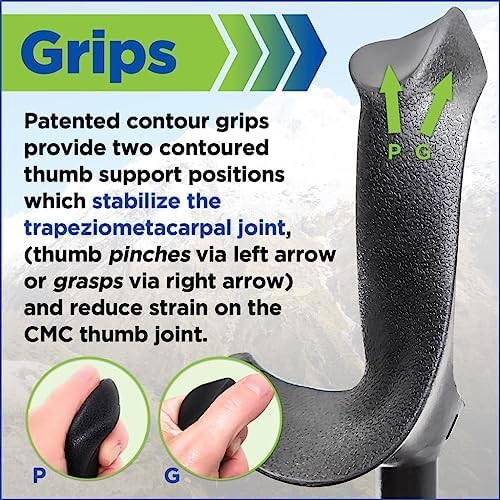
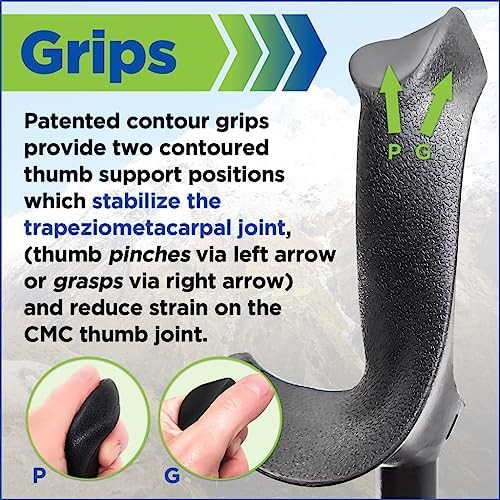
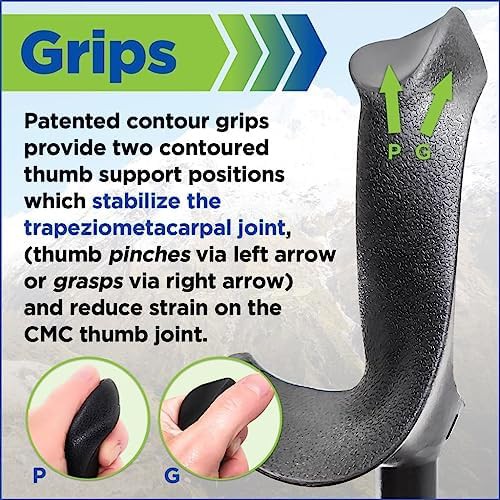
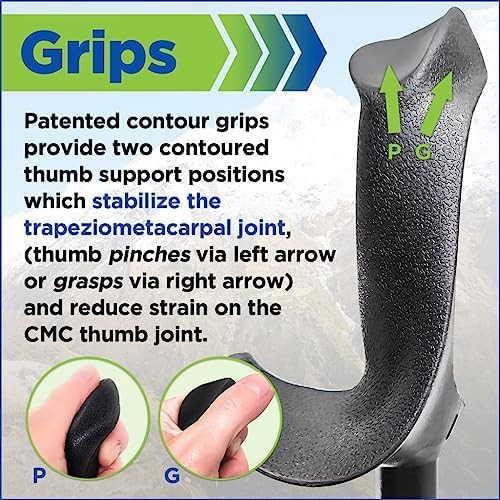
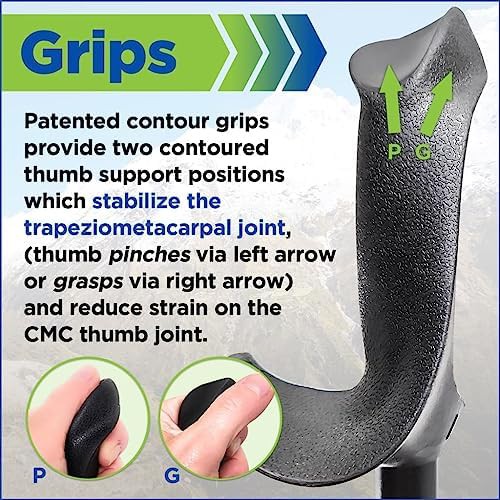
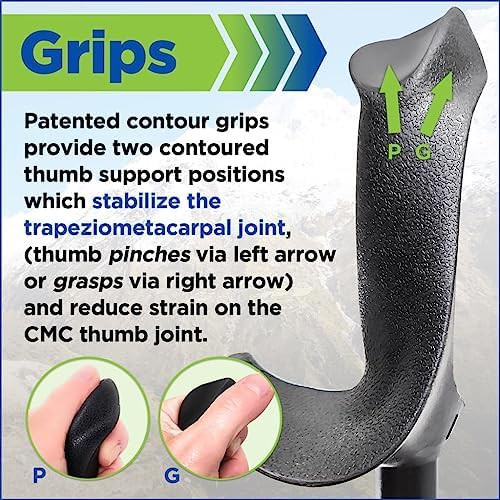
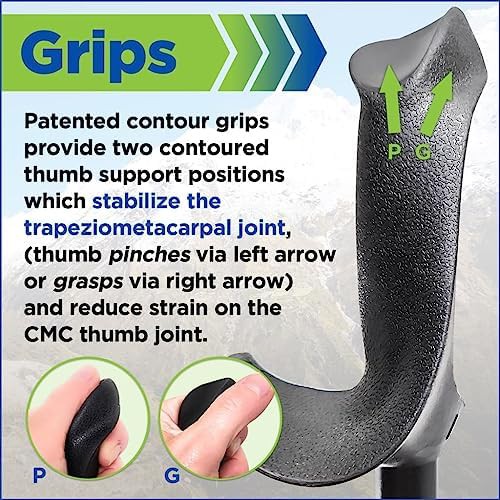
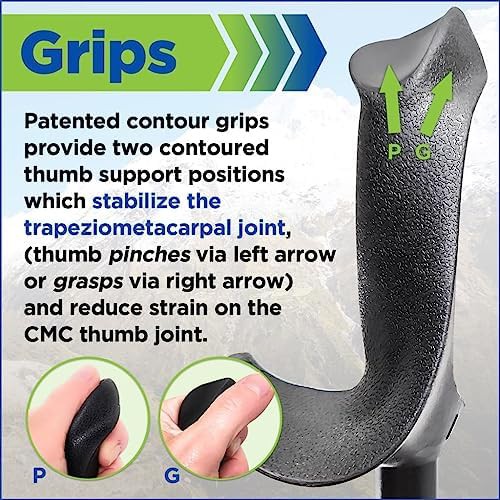
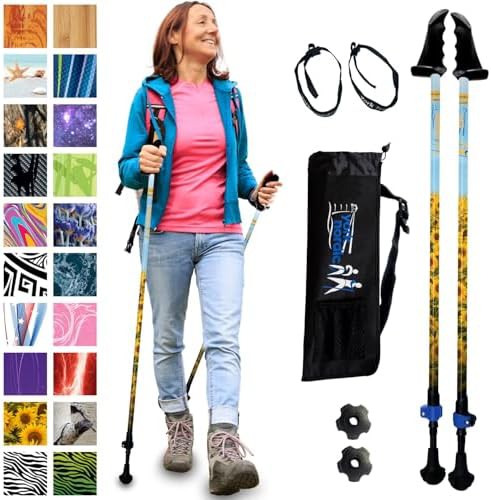
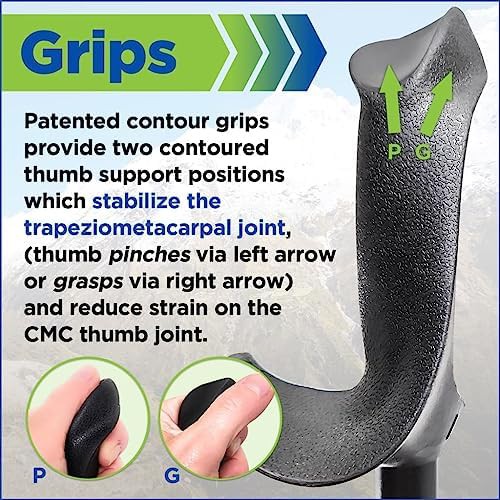
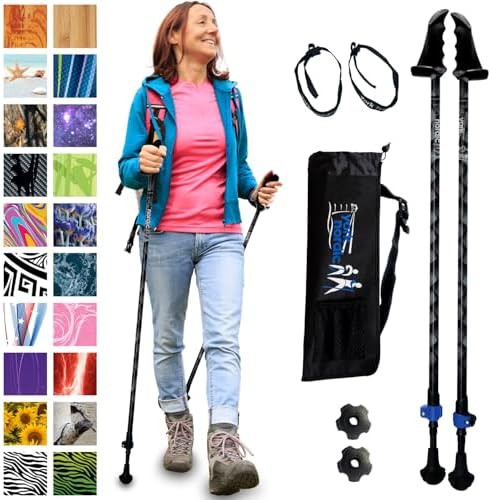
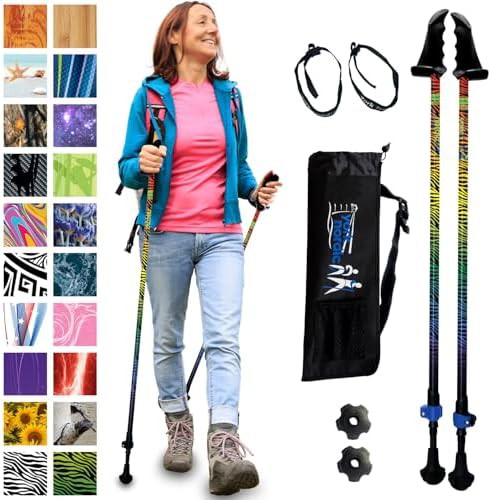
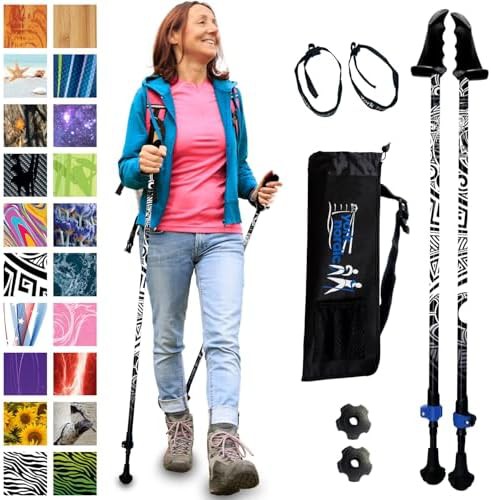
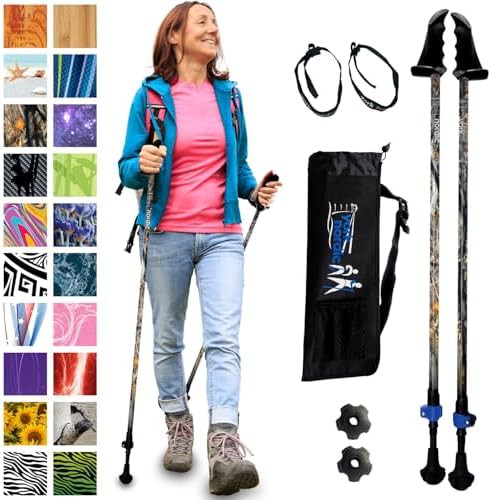
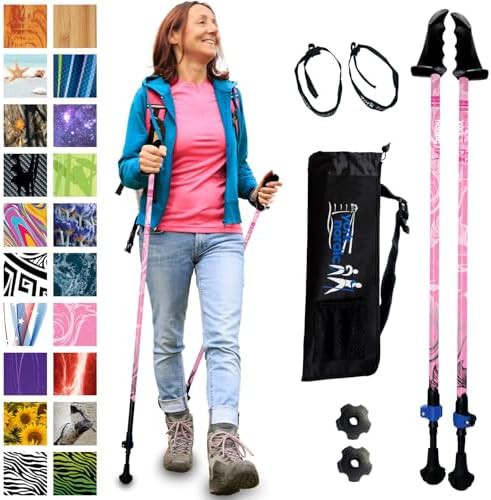
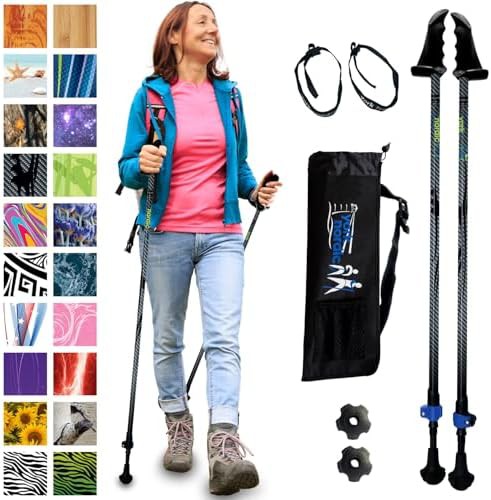
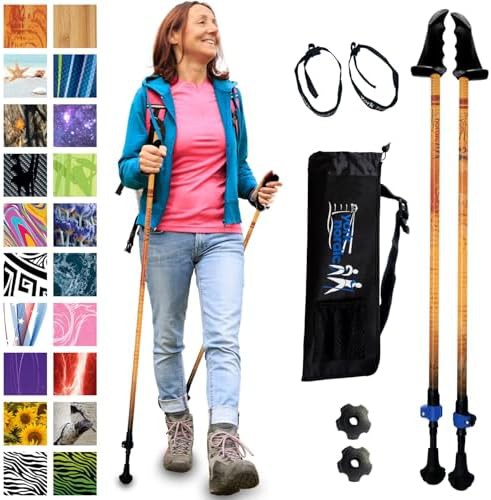
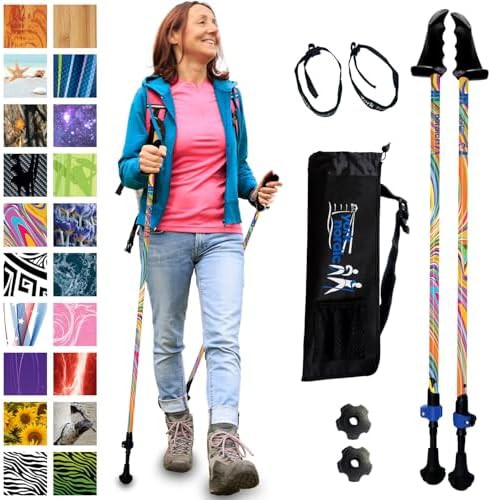
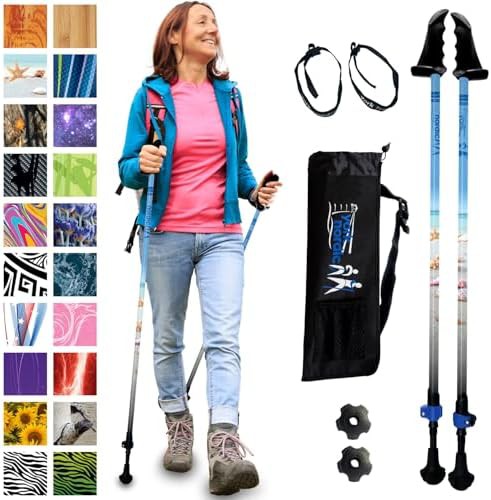
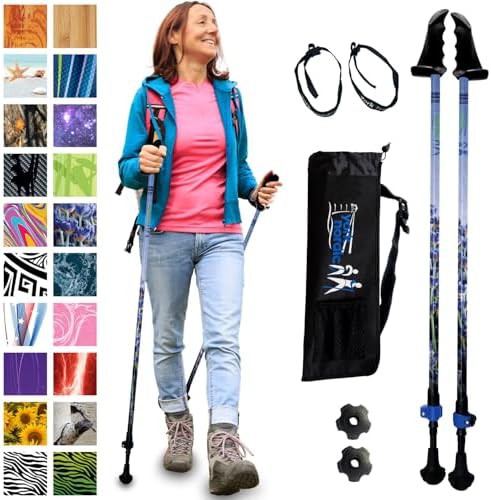
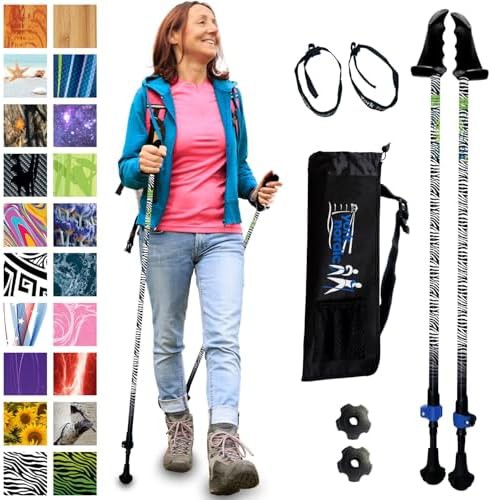
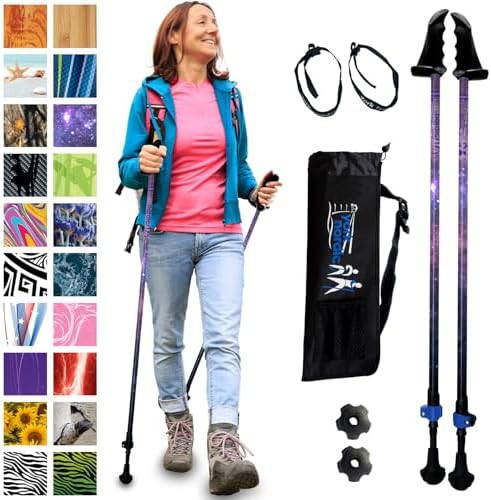
A balance and rehab pole is built around the grip and the height range, because the user leans on it rather than just planting it. The sample shows a patented stability grip, which is a broader handle shape than a standard trekking grip. It adjusts with flip locks and collapses for storage, so it can move between home, clinic, and outdoor walks.
The sample is sold as two pieces, one for each hand, and adjusts from 4 feet 6 inches up to 6 feet 2 inches. It is rated to 230 lbs, which matters when the pole is bearing weight rather than just balancing a pack. Flip locks let the user set the height without tools and keep it fixed during use.
Rehab poles need to be light enough to lift and reposition, but the sample is described as lightweight rather than ultralight. That distinction matters: an ultralight pole may flex under a lean, while a rehab pole is meant to feel solid. The collapsible design keeps it portable without giving up the stability grip.
If you are hiking long distances and want a pole that packs small and weighs little, a general trekking pole is the better match. Rehab poles are for balance and supported walking, not for technical terrain or fast descents. The sample is also not a substitute for a prescribed mobility aid if a clinician has specified one.
The sample adjusts from 4 feet 6 inches up to 6 feet 2 inches.
Yes, the sample is sold as two pieces, one for each hand.
The sample is rated to 230 lbs.
The sample uses a patented stability grip designed for supported walking.