Material Composition
We distinguish between 7075 aluminum for durability and carbon fiber for vibration dampening and weight savings.
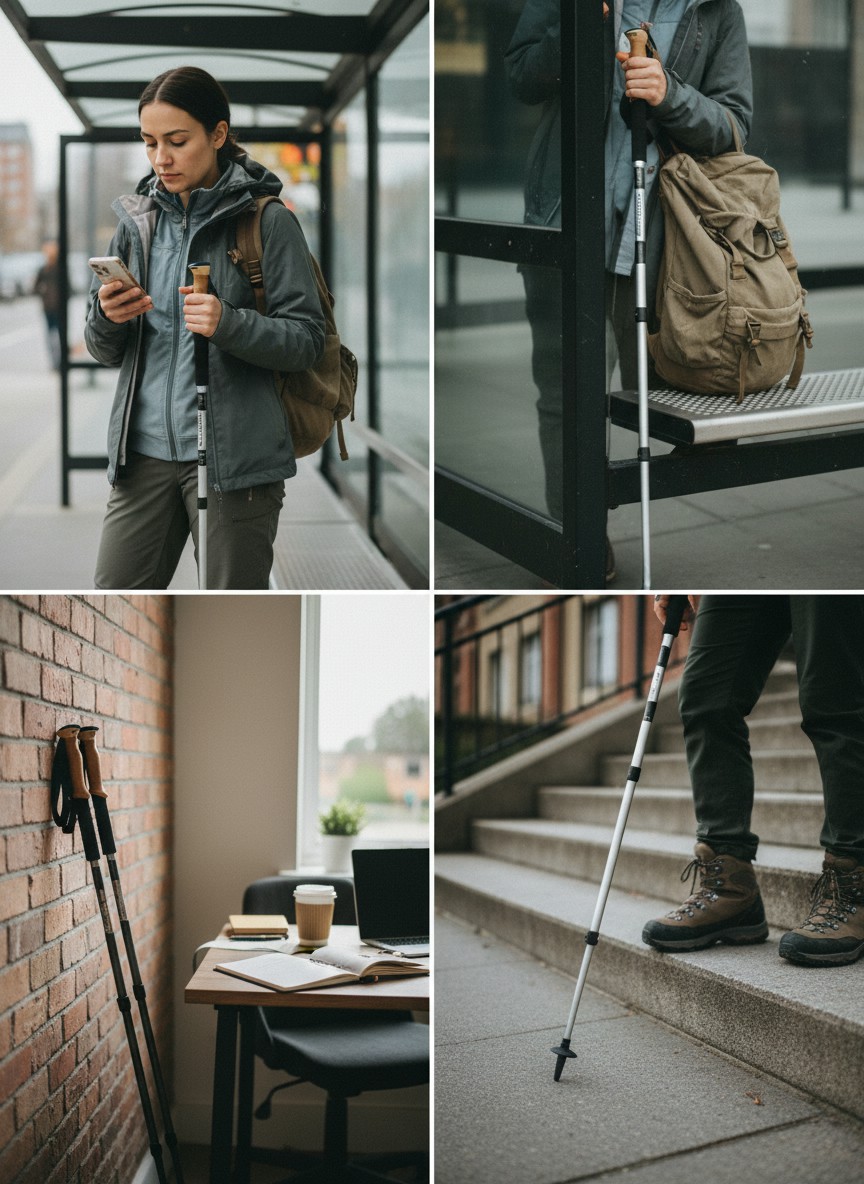
Understanding the specifications of modern walking sticks helps ensure stability and longevity on the trail.
A pretty photo is not a spec.
We distinguish between 7075 aluminum for durability and carbon fiber for vibration dampening and weight savings.
Our data tracks the difference between quick-access flip locks, traditional twist locks, and Z-folding collapsible designs.
We categorize poles by grip material, specifically identifying moisture-wicking cork, soft EVA foam, and durable rubber options.
Each product's score comes from what shoppers actually said, plus a couple of small adjustments. Here are the three things that move the number.
When a product has a public average rating, that figure is the main input.
If we kept our own notes on a product, they nudge the score slightly.
More reviews raise the mark a touch, very few lower it, and items often out of stock lose a little; brand scores just combine their product scores, and we hide the digit when we have neither an average nor notes.
Telescopic poles typically use flip locks or twist locks to secure height adjustments. Flip locks are generally easier to operate with gloves, while twist locks offer a streamlined profile. For maximum portability, collapsible Z-folding poles allow for quick deployment and compact storage.
Ultralight trekking poles often utilize carbon fiber to reduce swing weight and absorb trail vibrations. For rugged use in mountaineering or snowshoeing, aluminum trekking poles provide the durability needed to withstand lateral pressure and rocky impacts.
Beyond standard hiking, specialized designs cater to specific needs. Nordic walking poles focus on upper body engagement, while walking poles for balance and rehab provide stability for seniors or those in physical therapy. Tactical walking sticks and wooden options offer alternative aesthetics and utility.
Open a set, then two brand pages, and compare the listings
Space-saving poles that easily break down for storage in a backpack
Rugged and dependable aluminum poles built to withstand heavy trail use
Standard sets of two poles for maximum stability and rhythm
Minimalist poles designed for thru-hikers and weight-conscious adventurers
External lever locks that are easy to operate even while wearing gloves
Heavy-duty poles designed to provide stability when carrying heavy loads
Durable and adjustable trekking poles designed to support men on rugged trails
Lightweight and ergonomic trekking poles tailored for women hikers
Moisture-wicking natural cork handles that mold to your hands over time
Ultra-lightweight poles that offer superior vibration dampening for long distances
Sleek and professional black poles that match any hiking gear
Soft and comfortable foam handles that provide a secure non-slip hold